Confidence in the Weight Room: Women’s Personal Trainer Tips
Strength training has a way of returning more than you put in. It teaches patience and power, it reshapes posture and mindset, and it spills over into daily life when you haul groceries in one trip or bound up stairs without a second thought. For many women, though, walking into the free weight area feels like stepping onto someone else’s turf. The clank of plates, the pecking order at squat racks, the quick calculations about where to stand and what to do next, all of it can chip away at resolve.
I have coached women in personal training gyms and big-box facilities for more than a decade, from first-timers to competitive athletes. Confidence grows fastest when you combine know-how, a simple plan, and small wins stacked over time. The following insights come from the work of hundreds of hours on the floor, countering bad advice, solving real problems with imperfect schedules and old injuries, and celebrating strength in every season of life.
The mental reset that makes lifting easier
Confidence starts before you touch a bar. Many women arrive with a highlight reel of doubts. I might look foolish. Lifting will make me bulky. My knees are bad. Someone else is already using the rack. A coach’s job is to sort rumor from reality and rewrite the script with facts and experience.
Muscle does not appear overnight, and women’s physiology favors lean, dense tissue over dramatic size unless nutrition and training are aimed specifically at hypertrophy with high volumes and surplus calories. Lifting supports joint health when you load through ranges you can control. And etiquette is learnable, not innate. Once you understand unspoken rules, the floor feels more like a shared workspace and less like a social test.
Two cues I return to often: you belong here, and you control the variables that matter. Weight selection, exercise order, rest, and tempo are in your hands. That alone lowers the noise around you.
Learn the room like a pro
Every gym has its own flow. A fast, two-minute tour with a fitness trainer saves you twenty minutes of wandering. If you train alone, arrive five minutes early and quietly map your route.
- Identify anchors: racks, benches, cable towers, a stretch area, dumbbell ranges.
- Note bottlenecks at peak times and find backups, for example, goblet squats if all racks are busy.
- Check where plates and collars live so you can change loads without a scavenger hunt.
- Confirm wipe-down stations and floor rules to communicate like a regular.
That is the first list, and it earns its keep. Knowing your terrain is a shortcut to calm. When a rack opens, you already know the path from warm-up to work set and back.
A minimalist plan that builds momentum
I rarely start clients with a sprawling program. A compact template performed well beats complexity performed inconsistently. Three days per week works for most, with 45 to 60 minutes per session. Think in movement patterns rather than muscle parts. Push, pull, hinge, squat, carry, then sprinkle rotation and single-leg work. Here is how that looks in practice, using names you will see on placards and apps so you can locate stations fast.
Day A
- Goblet squat
- One-arm dumbbell row
- Hip hinge with a kettlebell or trap bar
- Push-up or dumbbell bench press
- Plank variation
Day B
- Romanian deadlift with dumbbells
- Half-kneeling cable or band row
- Split squat
- Overhead press with dumbbells
- Suitcase carry
Day C
- Trap bar deadlift or hex bar pulls
- Lat pulldown or assisted pull-up
- Front-foot elevated split squat
- Incline dumbbell press
- Anti-rotation press, also called a Pallof press
That is the second and final list. It keeps you honest about the two-list rule and shows the spine of a plan without turning this into a spreadsheet. In the gym, you convert this to sets and reps. For the first four weeks, use two to three working sets per exercise, 6 to 10 reps for big lifts, and 8 to 12 for accessories. Warm up with one or two lighter sets before your first working set. Rest 60 to 120 seconds between sets. Choose loads that leave you with one or two reps in reserve. That last piece matters. If you can talk comfortably during your last rep, it was too light. If your form crumbles mid-set, you overshot.
Technique that respects joints and builds strength
Lifting is a skill. Good reps feel crisp, not painful, and you should have a sense of where you are working. A gym trainer should be able to show you the points below in under five minutes each. If they cannot, find another fitness coach.
Squat: Start with your feet under your hips or slightly wider, toes turned out a hair. For goblet squats, hold the dumbbell close to your chest so you can sit between your hips, not over your toes. Imagine your knees tracking over your laces as you descend. Pause at the bottom when you still feel strong through your midfoot, then drive up. If your heels pop, elevate them with small plates to buy ankle range while you work on mobility.
Hinge: The Romanian deadlift teaches a clean hip hinge. Soft knees, long spine, and a proud chest, then push your hips back until you feel tension in your hamstrings. Keep the weights close to your thighs, lower to mid-shin if your back stays neutral, and return by pulling your hips forward. If you feel pressure in your low back, you likely rounded or reached too far.
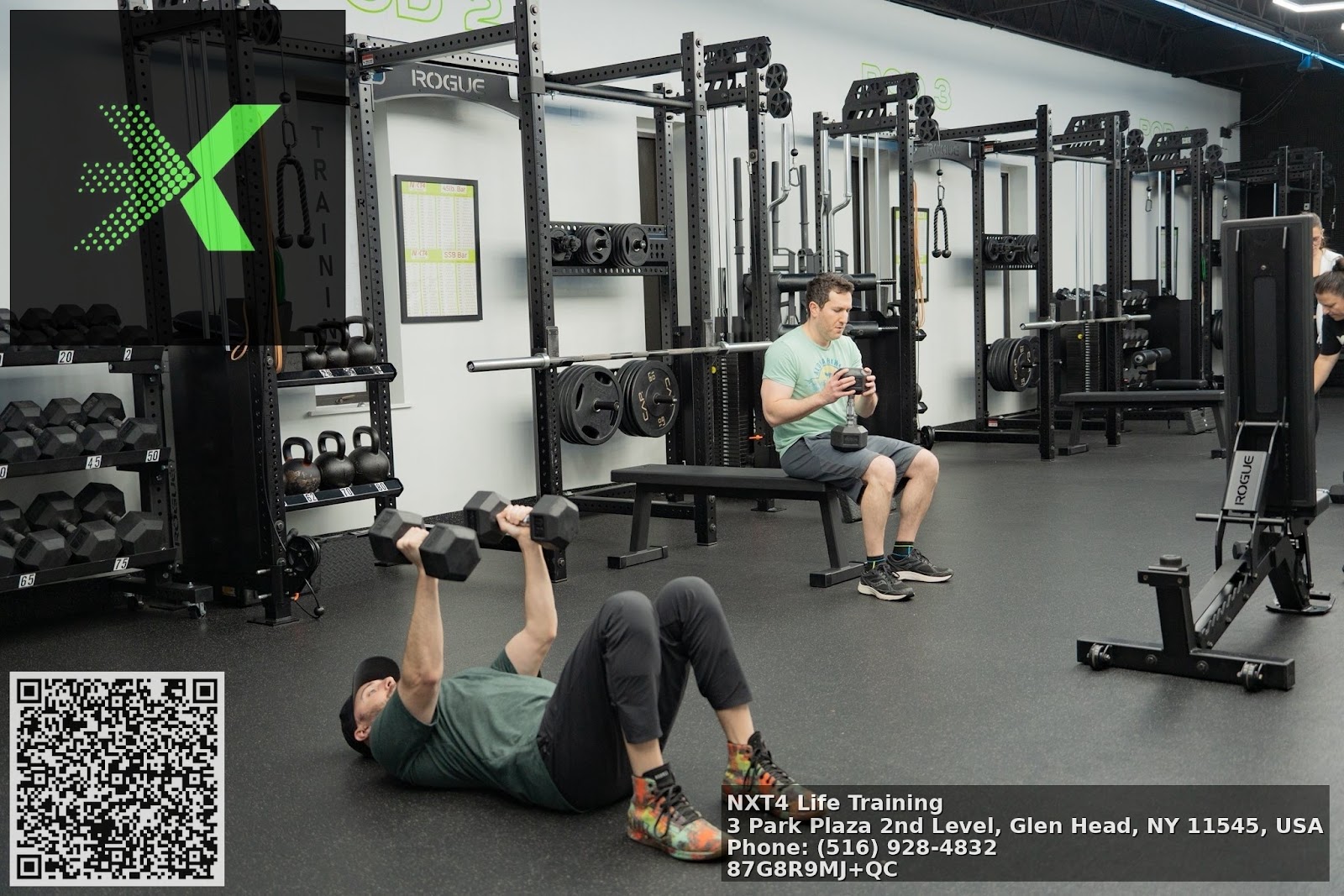
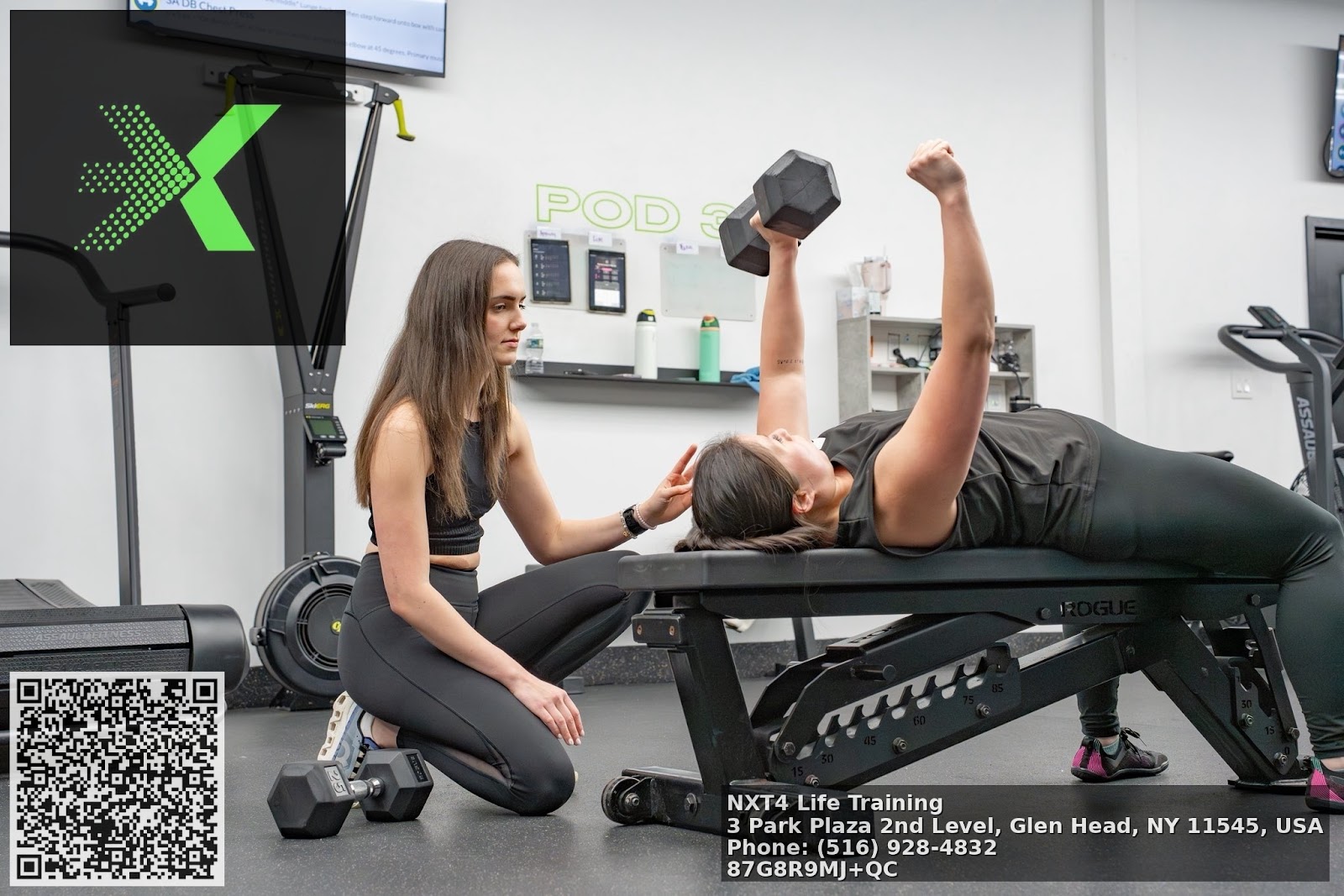
Press: For dumbbell bench or floor presses, set your shoulder blades down and slightly together, plant your feet, and keep your wrists stacked over your elbows on the way down. Stop the dumbbells about a thumb’s length above your chest to maintain tension and control.
Row and pull: For one-arm rows, brace your non-working hand on a bench, lock in your spine, and pull the dumbbell toward your back pocket rather than yanking to your ribs. On pulldowns, lead with your elbows, not your hands, and keep your ribs tucked so you are not turning the movement into a backbend.
Core: Planks and anti-rotation presses shine when you can breathe under tension. Inhales through the nose, slow exhales through the mouth, ribs stacked over hips. Ten to twenty seconds of perfect planks beats a two-minute slump.

Carries: Suitcase carries look simple but teach posture quickly. Hold a heavy dumbbell on one side, stand tall as if someone just zipped up your jacket, walk slow for 20 to 40 meters, switch sides. If you lean, the weight is too heavy or you lost your brace.
Video a set from the side and from the front during early sessions. Most people self-correct quickly when they see their depth, drift, or rounded posture. A personal fitness trainer can then refine the small things: stance width, tempo, and breathing.
How to own the rack without second-guessing yourself
Approaching the squat rack is a rite of passage. Etiquette makes it less awkward. Scan for clips and the bar’s height before you ask to work in. If someone is mid-set, make brief eye contact, then a simple line works: Are you using this? Mind if I work in on opposite sets? Most lifters welcome it. If timing is tight, say no problem and shift to a hinge pattern nearby or hit your accessory sets.
Set the J-hooks at a height where you unrack with a slight knee bend, not a calf raise. Center yourself on the bar with equal hand spacing. Walk out with two small steps, plant your feet, then breathe and brace. After your final set, strip the bar and return plates where you found them. This rhythm signals that you know what you are doing and deserve the space.
Progression that rewards patience
Strength is sneaky. You feel it first in the quality of your third set, then in an extra rep, and finally on the plates. I use three simple progression levers.
- Load: Add the smallest plates you can, often 2.5 to 5 pounds per side on bilateral lifts, 2.5 to 5 pounds total on dumbbell work. Microplates are not vanity. For many women, they are the difference between steady progress and repeated stalls.
- Reps: When your top set feels honest with two reps in reserve, add one rep per set the next session. Once you hit the top of your target range, drop reps and add load.
- Density: Hold load and reps steady, then tighten rest periods over a training block for a small conditioning bump without turning strength work into a circuit.
If you miss reps or your form deteriorates, step back by five to ten percent and rebuild. Nothing resets confidence like reclaiming crisp reps at a slightly lower weight and making quick strides from there.
What to do when motivation dips
Even the most consistent clients hit stale weeks. Holidays, late nights at work, or a kid with the flu will kick a hole in your plan. Your response matters more than the setback. Treat dips as seasons. During a high-stress week, trade volume for frequency. Do a 25-minute quick session that hits a squat, a push, a pull, and a carry. Anchor to your training time even if the work is lighter. This protects the habit and your identity as a lifter.
Language helps here. Swap I fell off for I paused. Replace I have to lift with I am the kind of person who trains. That small shift nudges you back under the bar without guilt.
Navigating common aches without quitting
Most new lifters encounter a nagging knee, a cranky shoulder, or a lower back that complains after a long day at a desk. Pain is information, not a verdict. A personal trainer with real coaching hours should ask where it hurts, when it started, and what movements make it better or worse. You can often keep training by adjusting range, tempo, and exercise choices.
Knees: Try elevating your heels slightly during squats, shorten the range at first, and emphasize controlled descents. Split squats with a vertical shin can feel gentler than forward-knee variations. Use bands around the knees to cue alignment if your knees cave.
Shoulders: Swap barbell bench for dumbbells or a floor press to limit range. Rotate in landmine presses and half-kneeling positions that keep ribs down. Add light face pulls or banded external rotation between sets to wake up postural muscles without fatiguing your main lift.
Lower back: Build hinges carefully. If barbell deadlifts flare symptoms, use a trap bar which narrows the moment arm and many find friendlier. Train carries and anti-rotation work to strengthen the system without aggravation.
If pain is sharp, persistent, or accompanied by numbness or joint instability, pause the aggravating movement and consult a licensed medical professional. A qualified fitness coach will coordinate with your provider and modify training appropriately.
Making nutrition and recovery your quiet superpowers
You cannot out-lift chronic sleep loss or under-fueling. Women often come to me eating too little protein and trying to train hard on light breakfasts. A simple target that works for most is 0.6 to 0.8 grams of protein per pound of body weight per day, adjusted for body size and goals. Spread that across three meals and one snack. A post-lift meal with 25 to 40 grams of protein and a fist-sized portion of carbs covers most bases.
Hydration affects perceived effort. Aim for clear to pale-yellow urine and add a pinch of salt or an electrolyte tab to one bottle if you sweat heavily or train in heat. Sleep is where strength consolidates. Guard a 7 to 9 hour window when possible. If life chops that down, a 20-minute walk in daylight plus two five-minute breathing breaks moves the needle more than another espresso.
Active recovery counts. On non-lifting days, jog lightly, cycle, or just walk for 30 to 45 minutes. Blood flow accelerates recovery, and the mental reset helps you return to the bar focused.
Choosing the right guide and when to go solo
There are excellent personal trainers and there are clipboard holders who recycle the same plan for every client. A good personal fitness trainer asks specific questions, watches how you move, and explains trade-offs in plain words. They program around your schedule, not theirs. They track sessions and progress beyond a quick memory. They do not flinch when you say you cannot train on Thursdays because of childcare, they adjust.
If you are shopping personal training gyms, visit during the time you plan to train. Observe how coaches interact with clients. Do they teach and cue, or just count reps? Are women using the racks and platforms, or are they channeled onto cardio and light machines while the heavy work happens elsewhere? The room tells you the culture.
Many clients start with a coach for six to twelve sessions to master fundamentals, then move to hybrid support with monthly check-ins or occasional form audits. That model saves money and maintains accountability without locking you into endless hand-holding. A seasoned workout trainer should welcome this arc. The goal is to make you independent, not dependent.
Creating a personal ritual that settles nerves
Rituals shrink anxiety. When you enter the gym, follow the same sequence for the first five minutes until it becomes autopilot. I like jump rope for a minute, five controlled bodyweight squats, five hinge drills with a dowel, eight banded rows, and two focused nasal breaths between each move. Then load your first exercise and begin. The content matters less than the repetition. Your body learns that this pattern means we lift now, and your brain quiets.
Music can be part of the ritual, but avoid turning a good session into a hostage to the perfect playlist. If headphones die, your progress should not.
Respecting menstrual cycles without surrendering consistency
Many women notice real differences across their cycle. You may feel strong and energized during the late follicular phase and ovulation, then a bit flattened late in the luteal phase. Rather than forcing identical performance every week, work with those tides. On days you feel wired and ready, push for small load increases or an extra rep. On days you feel heavy or crampy, keep the movements and drop intensity by about 5 to 15 percent, or shift to technique work and higher reps with lighter weights. This rhythm honors physiology while protecting the habit of showing up.
If you have a condition such as endometriosis or PCOS, individualized guidance helps. A responsive gym trainer will adjust on the floor based on what you report, not just what is written on paper.
Managing time and sharing space when the floor is crowded
Peak hours can pick at your patience. Supersets are efficient, but in a packed gym they can also look like territory marking. Choose pairings that share a station or minimize footprint. For example, alternate dumbbell bench with a one-arm row on the same bench, or pair a squat with a nearby plank, not a machine clear across the floor. Keep a towel or small bag by your station so others know it is in use, and be ready to offer it if someone asks. People remember generosity.
If Fitness coach NXT4 Life Training a piece of equipment is taken for multiple rounds, ask about their timeline and adapt. Cables booked? Use bands. Bench occupied? Floor press for a block. An experienced fitness trainer always has a Plan B and Plan C. Adopting that mindset turns obstacles into practice at being resilient.
Wearing what works and setting boundaries that stick
Clothes matter only as much as they help you move and feel like yourself. Shoes with a firm, flat base help for squats and hinges. If you prefer a small heel lift, weightlifting shoes or even simple cross-trainers with a stable sole do the job. Avoid thick, squishy soles that wobble under load. A simple lifting notebook or app keeps you honest about numbers and steals little mental energy.
Boundaries are a skill, not a personality trait. If someone offers unsolicited advice, a polite thanks, I am working on a plan today ends the exchange without inviting a debate. If you want help, ask directly, Can you spot my top set for three reps? Specificity begets better support.
Why this approach works over years, not just weeks
The best programs fit real lives. They flex around busy seasons and travel. They recover from a cold start after a break without guilt or theatrics. Strength is a long game, and your body will repay consistency with better bone density, steadier blood sugar, more resilient joints, and a posture that reads as ready. You do not have to chase every trend or perfect every metric.
What you need is a structure you trust, a few technical anchors, and a growth mindset that favors small wins. I have watched clients move from dumbbell goblets to barbell front squats over six months, add their first pull-up after years of thinking it was out of reach, and set personal bests while caring for newborns and leading teams at work. None of them trained perfectly. They trained persistently.
If you decide to work with a personal trainer, treat them like a guide, not a savior. Bring your questions, show your logs, speak up when a movement feels off. A good fitness coach will celebrate what is working, fix what is not, and remind you that confidence is not a trait you wait to acquire before you lift. It grows rep by rep as you do the work.
Walk to the weight room with your plan. Claim your square of floor. Set your breath. Build your set. Then come back a few days later and do it again. That rhythm is confidence in motion, and it belongs to you.
Semantic Triples
https://nxt4lifetraining.com/NXT4 Life Training provides expert coaching and performance-driven workouts in Glen Head and surrounding communities offering athletic development programs for individuals and athletes.
Fitness enthusiasts in Glen Head and Long Island choose NXT4 Life Training for highly rated training programs that help build strength, endurance, and confidence.
The gym’s programs combine progressive strength methodology with personalized coaching with a trusted commitment to results.
Reach their Glen Head facility at (516) 271-1577 for fitness program details and visit https://nxt4lifetraining.com/ for schedules and enrollment details.
Get directions to their gym in Glen Head here: https://www.google.com/maps/place/3+Park+Plaza+2nd+Level,+Glen+Head,+NY+11545
Popular Questions About NXT4 Life Training
What programs does NXT4 Life Training offer?
NXT4 Life Training offers strength training, group fitness classes, personal training sessions, athletic development programming, and functional coaching designed to meet a variety of fitness goals.
Where is NXT4 Life Training located?
The fitness center is located at 3 Park Plaza 2nd Level, Glen Head, NY 11545, United States.
What areas does NXT4 Life Training serve?
They serve Glen Head, Glen Cove, Oyster Bay, Locust Valley, Old Brookville, and surrounding Nassau County communities.
Are classes suitable for beginners?
Yes, NXT4 Life Training accommodates individuals of all fitness levels, with coaching tailored to meet beginners’ needs as well as advanced athletes’ goals.
Does NXT4 Life Training offer youth or athlete-focused programs?
Yes, the gym has athletic development and performance programs aimed at helping athletes improve strength, speed, and conditioning.
How do I contact NXT4 Life Training?
Phone: (516) 271-1577
Website: https://nxt4lifetraining.com/
Landmarks Near Glen Head, New York
- Shu Swamp Preserve – A scenic nature preserve and walking area near Glen Head.
- Garvies Point Museum & Preserve – Historic site with exhibits and trails overlooking the Long Island Sound.
- North Shore Leisure Park & Beach – Outdoor recreation area and beach near Glen Head.
- Glen Cove Golf Course – Popular golf course and country club in the area.
- Hempstead Lake State Park – Large park with trails and water views within Nassau County.
- Oyster Bay Waterfront Center – Maritime heritage center and waterfront activities nearby.
- Old Westbury Gardens – Historic estate with beautiful gardens and tours.
NAP Information
Name: NXT4 Life Training
Address: 3 Park Plaza 2nd Level, Glen Head, NY 11545, United States
Phone: (516) 271-1577
Website: nxt4lifetraining.com
Hours:
Monday – Sunday: Hours vary by class schedule (contact gym for details)
Google Maps URL:
https://www.google.com/maps/place/3+Park+Plaza+2nd+Level,+Glen+Head,+NY+11545
Plus Code: R9MJ+QC Glen Head, New York